
Four Seasons Resort Maui at Wailea · A Filmmaker’s Venue Guide
A Four Seasons Maui wedding offers something that is surprisingly hard to find: a day that can look expansive on film without forcing the couple to spend it traveling from one beautiful place to another.
That matters to me. A wedding film should not turn the wedding into a production. Instead, the setting should give the story room to breathe while the couple stays inside the experience they came to have.
I have filmed weddings throughout Maui, and Four Seasons Resort Maui at Wailea is one of the places I genuinely love returning to. Maui has no shortage of beautiful places. However, this property gives a filmmaker layers, movement, and visual depth while letting the people—not the venue—remain at the center of the film.
Is Four Seasons Maui a Good Wedding Venue?
Yes—particularly for couples who want an oceanfront Maui setting, a full-service resort experience, and several distinct parts of the day within one property.
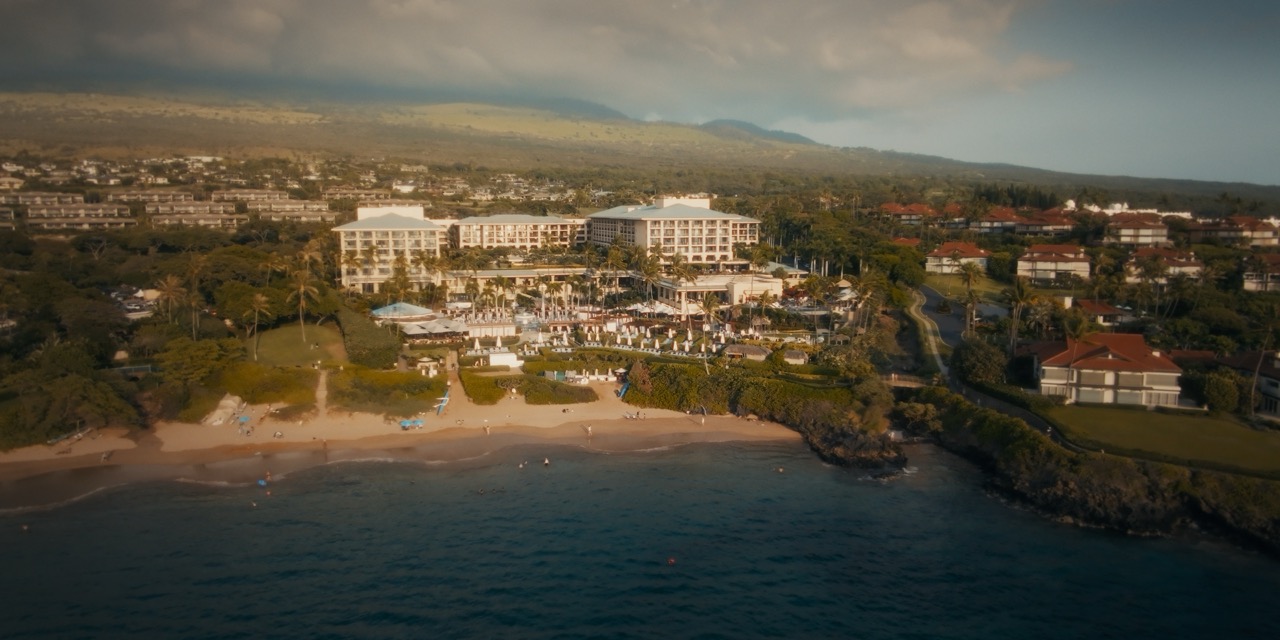
The resort offers intimate outdoor spaces, expansive lawns, and indoor alternatives. It also states that it hosts one wedding per day. That can allow the venue team to focus on one celebration instead of moving several weddings through the property. Still, couples should confirm current availability, inclusions, and policies directly with the resort.
From a filmmaker’s perspective, the deeper advantage is continuity. Getting ready, the ceremony, portraits, cocktails, and the reception can each have a different visual identity without making the day feel like a location shoot. When that flow is planned well, the film can change in scale and energy while the couple stays present with the people they love.
Why Plumeria Point Looks Different on Film
Plumeria Point is the part of Four Seasons Maui I describe most often because a camera does not see it as a flat ocean view.
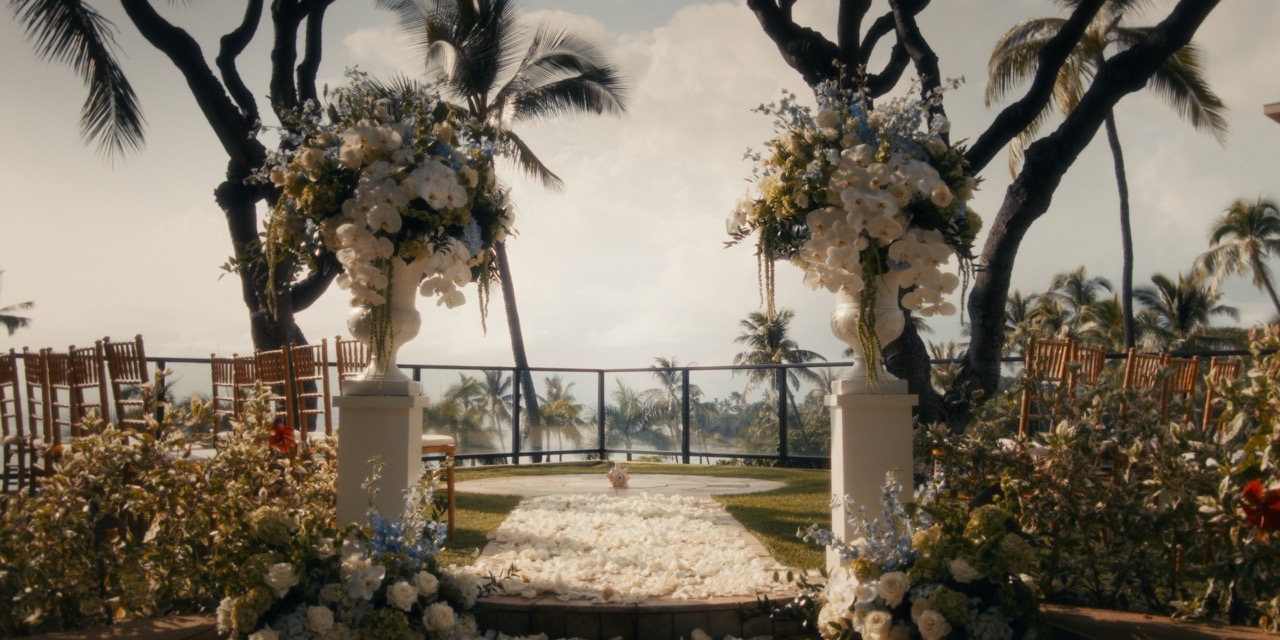
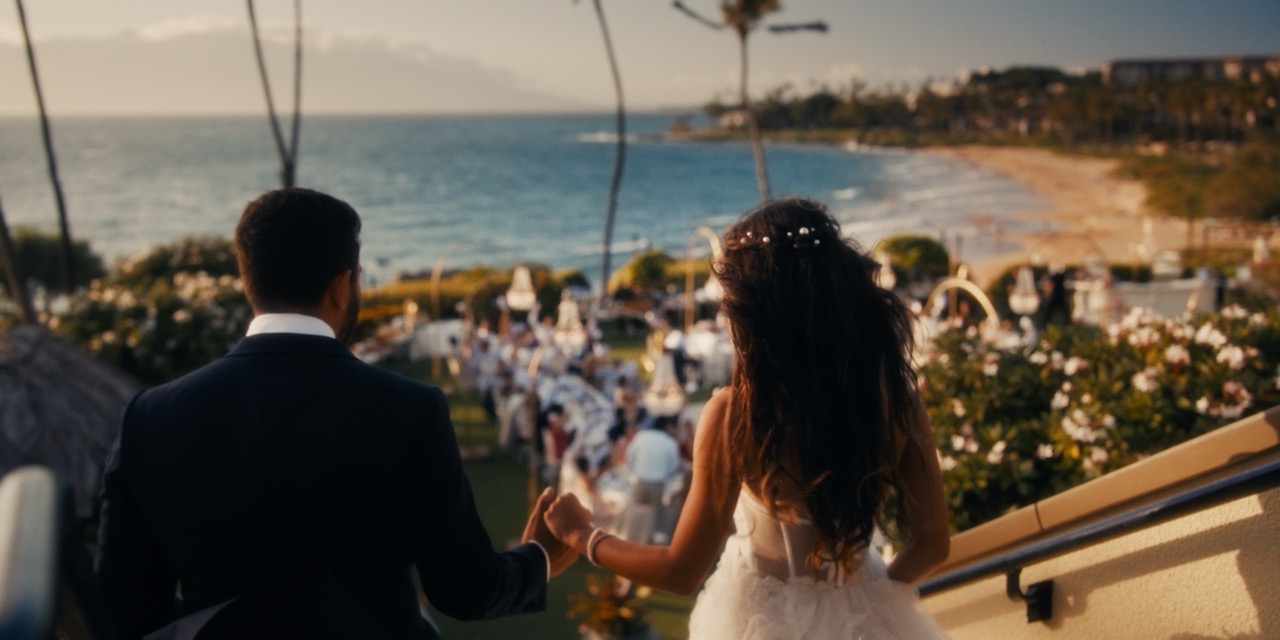
There is depth in the image. West Maui sits in the far background. Then there are palm trees along the beach, another layer of palms and landscaping within the property, and the ceremony in the foreground. Rather than placing the couple in front of one beautiful backdrop, the space gives the frame distance and dimension.
That layering changes the feeling of a ceremony film. The couple still feels intimate and close, but the world around them feels expansive. As a result, the setting can be unmistakably Maui without the film needing to stop and announce, “Look where we are.”
The setting should hold the story. It should never replace the couple at its center.
Plumeria Point, Oceanfront Lawn, or Plumeria Garden?
These spaces do different jobs. The useful question is not “Which one is prettiest?” It is “What do you want each part of the day to feel like?”
Plumeria Point
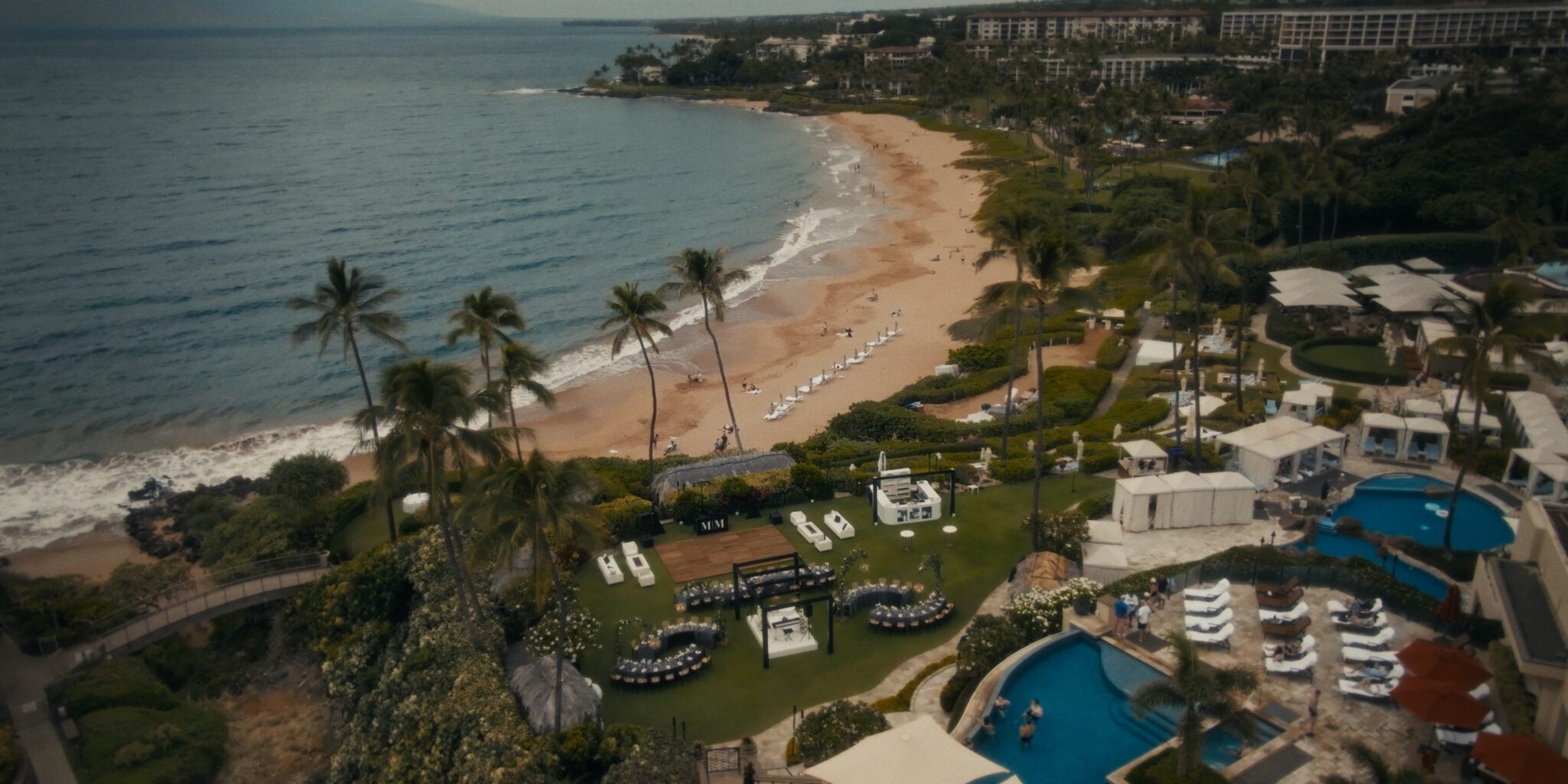
Plumeria Point is the intimate choice. It places the ceremony within the landscape instead of on an open field. For film, its natural layers can make a small ceremony feel visually rich without losing the closeness between the couple and their guests.
Plumeria Garden
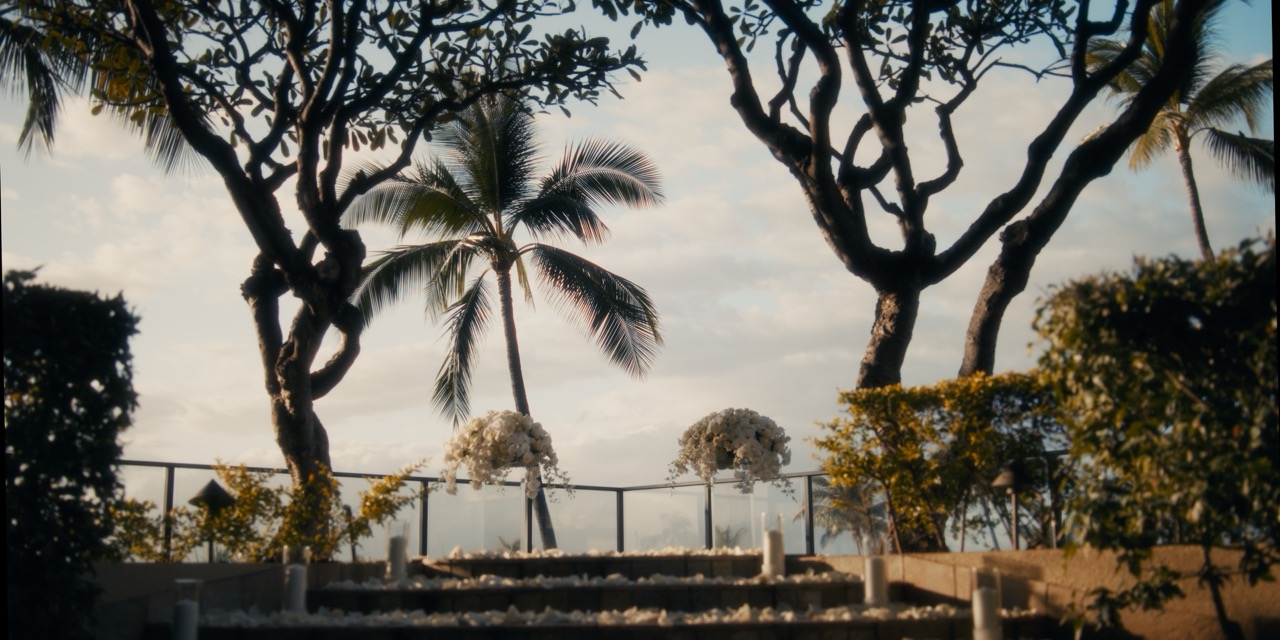
Plumeria Garden can create a gentle transition after the ceremony. Used for cocktails or a smaller gathering, it allows the energy to open up without sending guests far away or forcing an abrupt visual change.
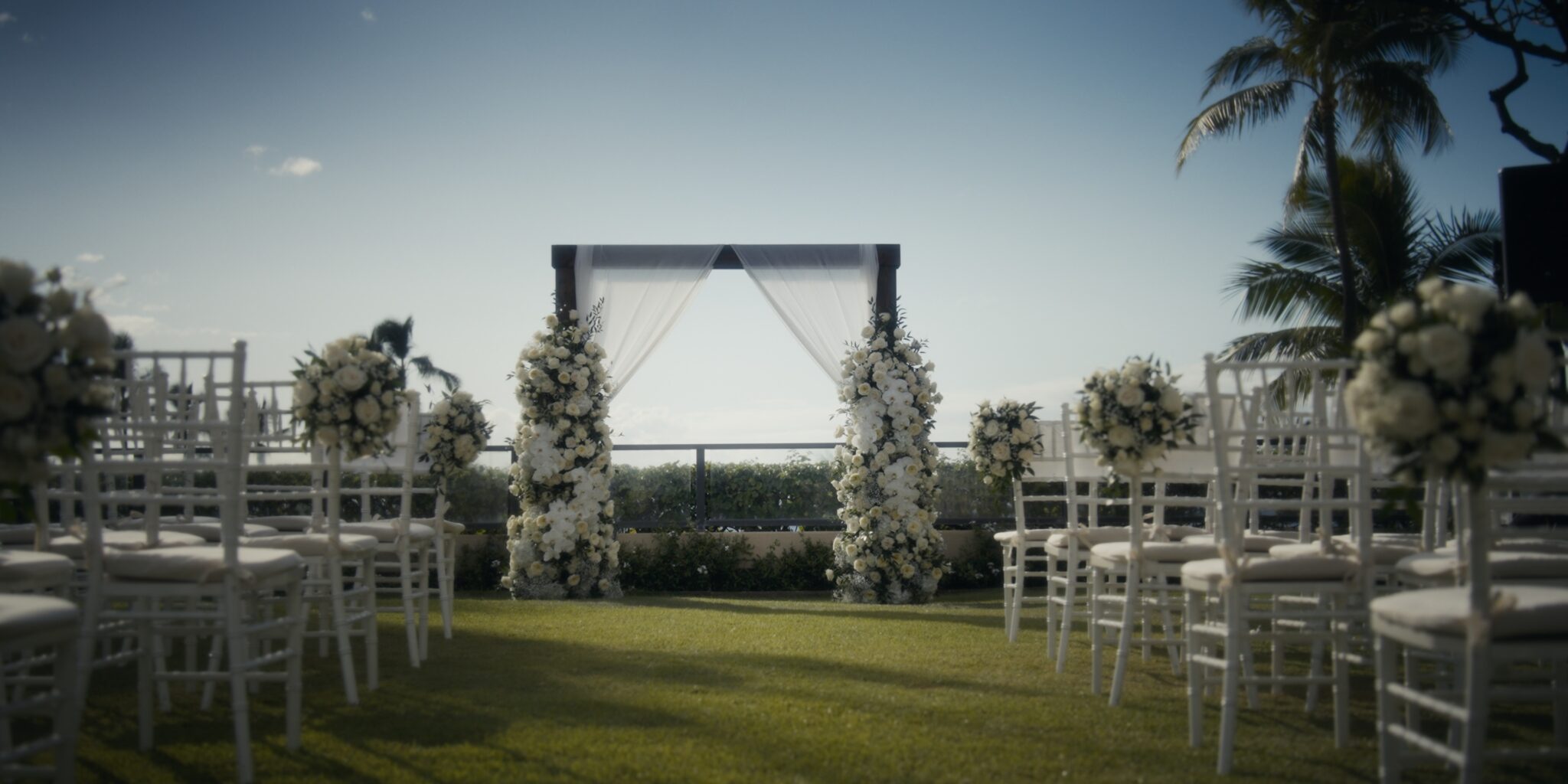
Wailea Point
Wailea Point is especially well suited to elopements and small weddings. Its scale lets a shorter guest list feel intentional, while the open ocean setting gives the film a strong sense of place without requiring a large setup. I have filmed several intimate weddings there, and the space can make a quiet celebration feel visually complete.
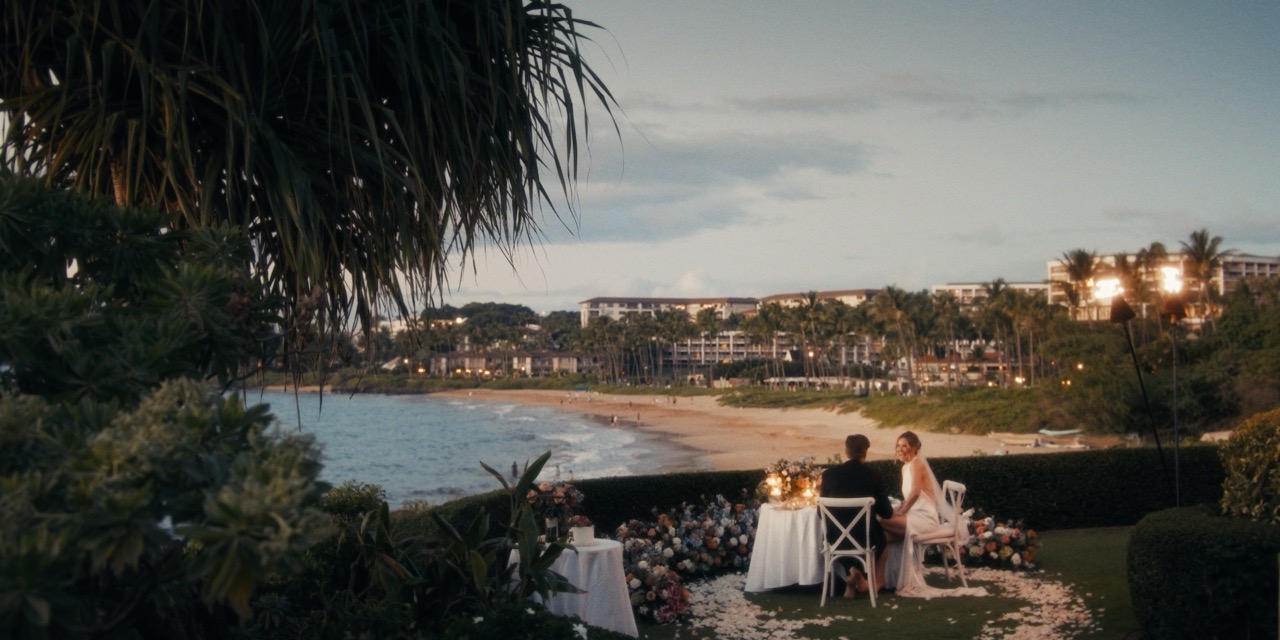
Oceanfront Lawn
Oceanfront Lawn brings scale. It can hold the reception against an open horizon. It also lets the film move from the intimacy of the ceremony into the larger celebration: entrances, dinner, speeches, and dancing.
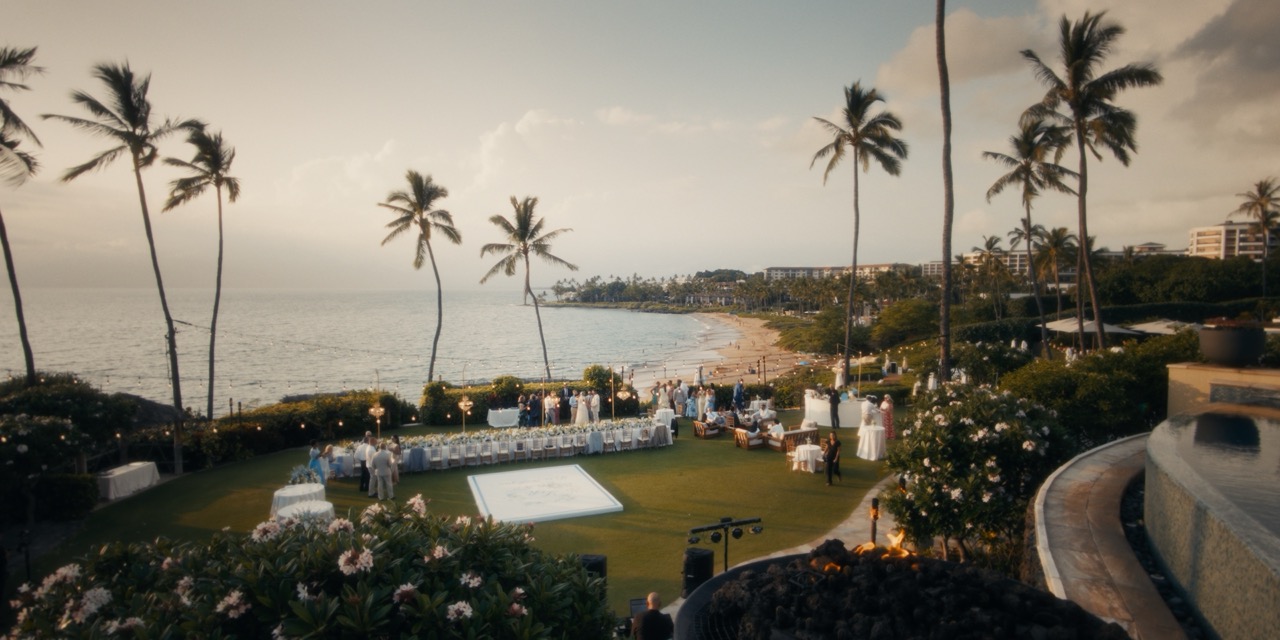
One strong plan may use that progression intentionally: intimacy at Plumeria Point, a social breath in the garden, and then a wider celebration on Oceanfront Lawn. That is not a rule. It is one example of how the property can help the day develop rather than presenting every moment at the same emotional volume.
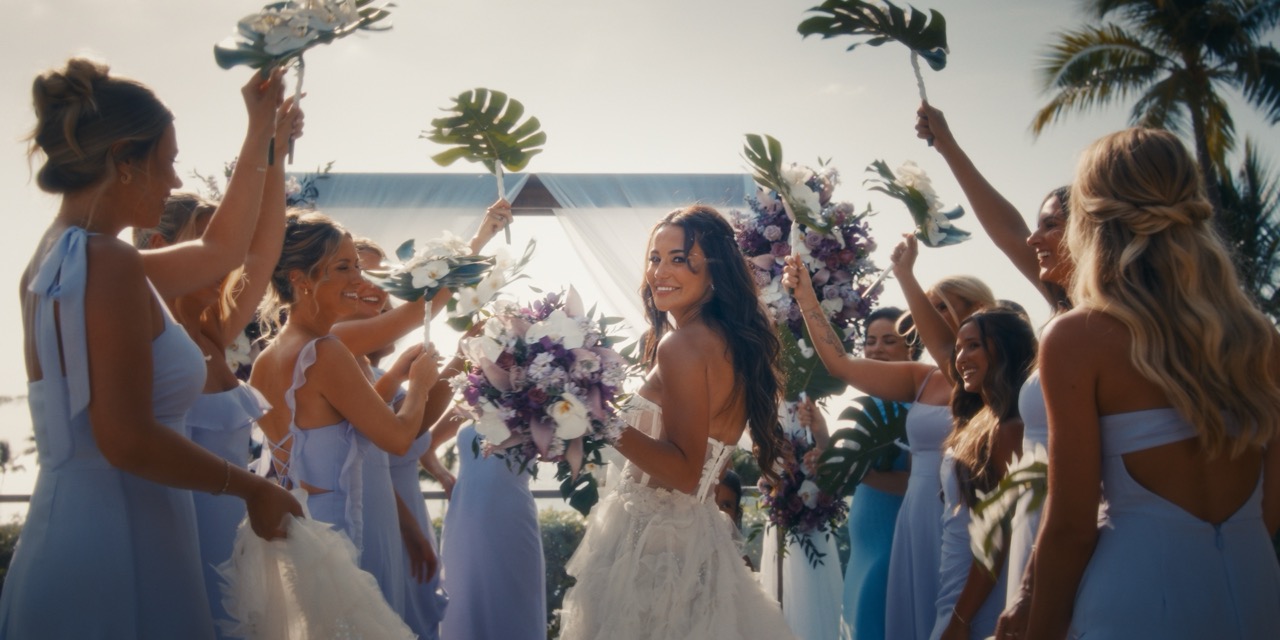
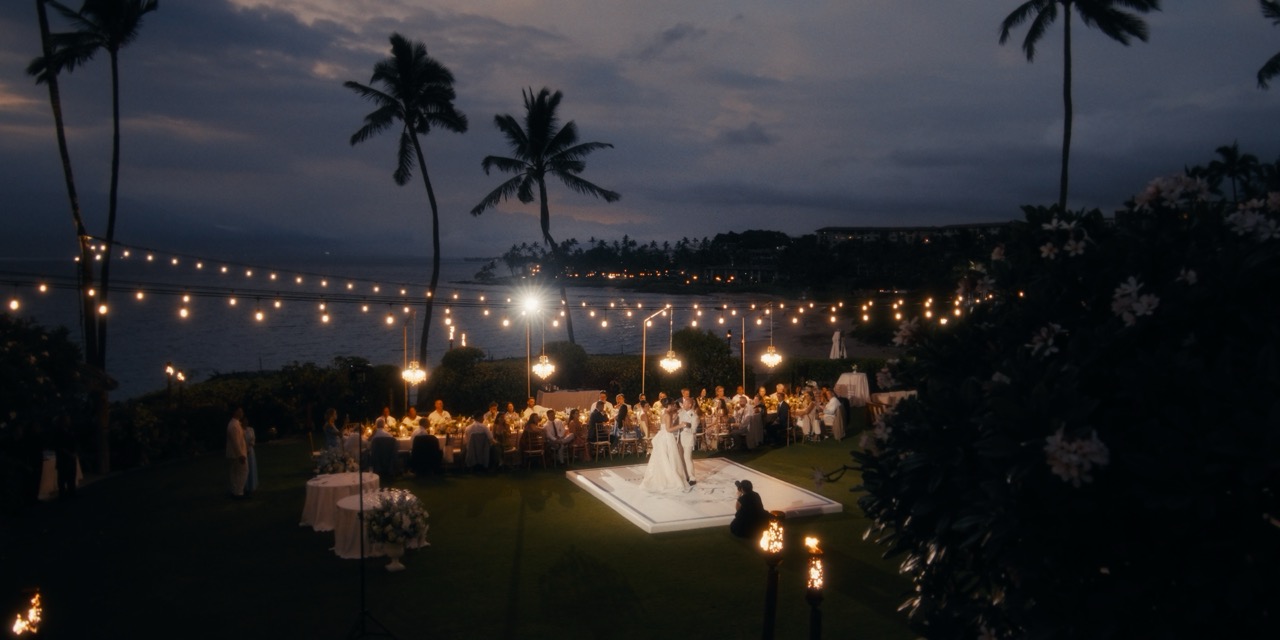
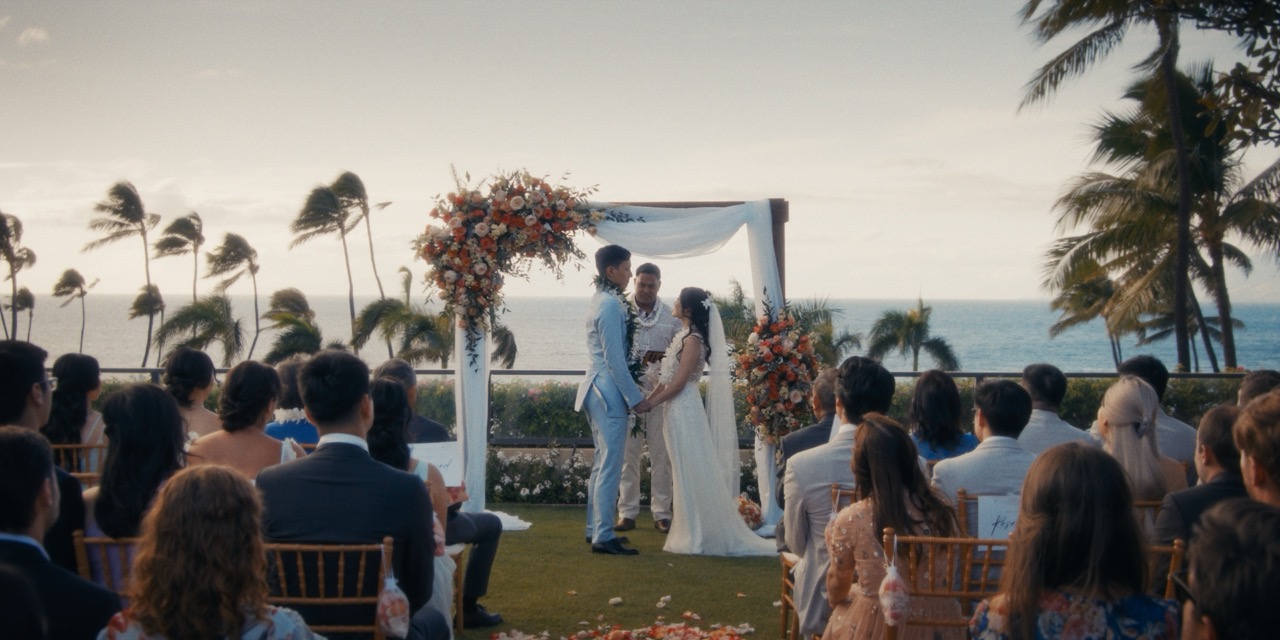
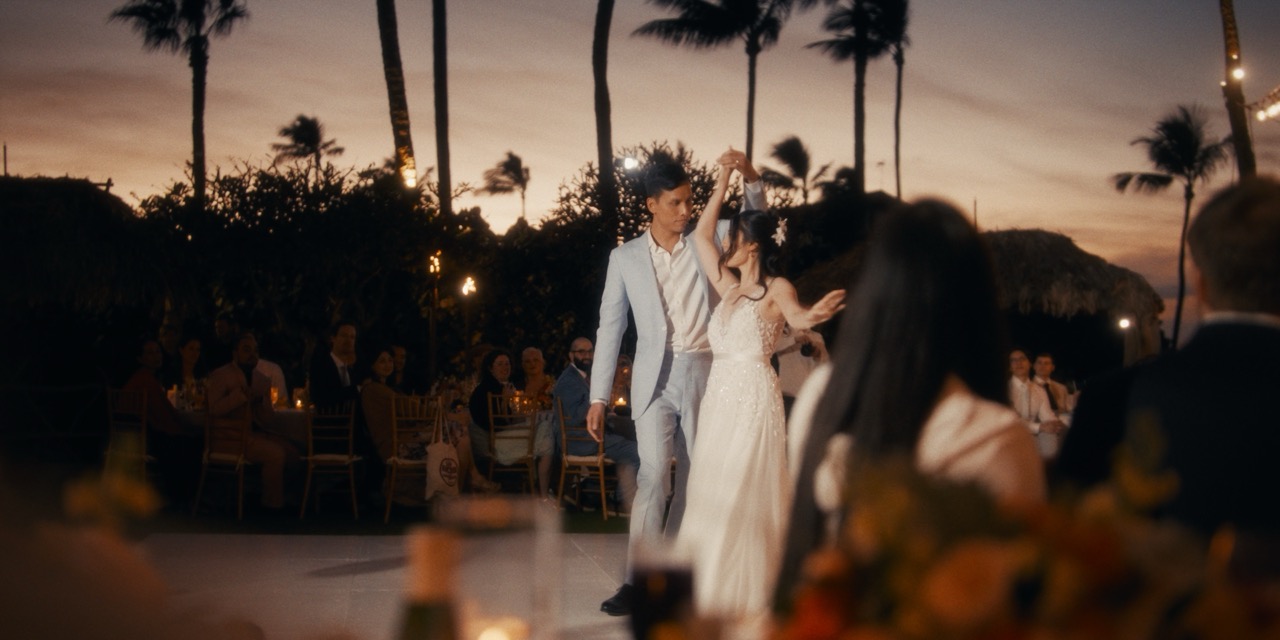
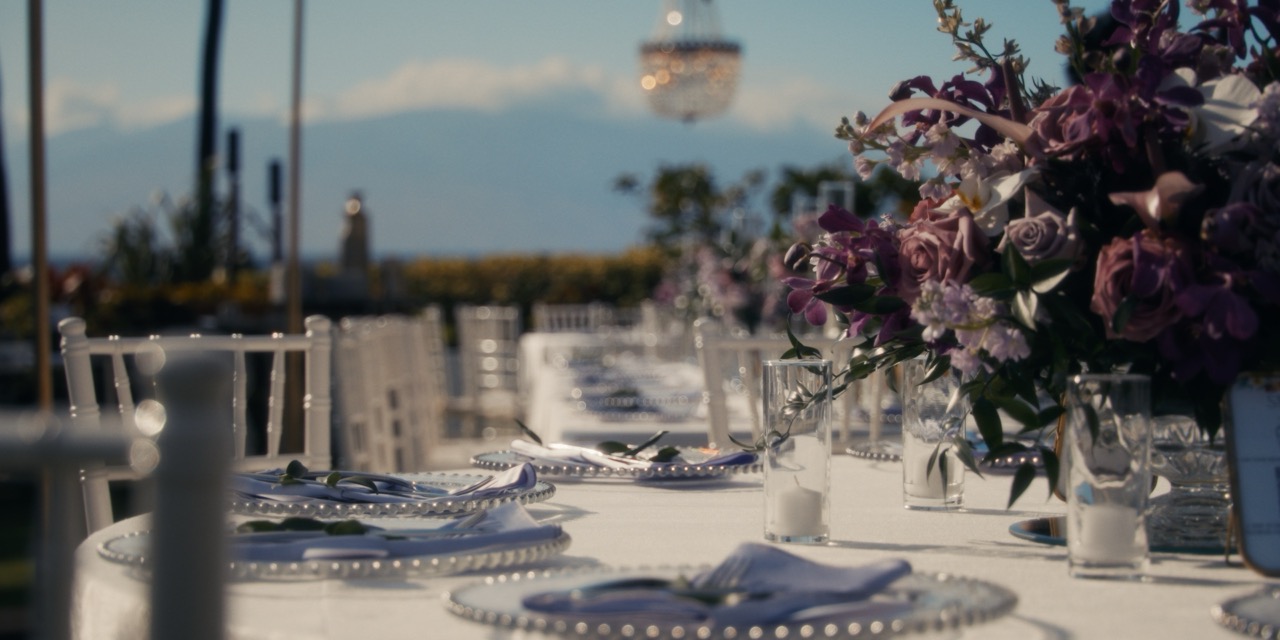
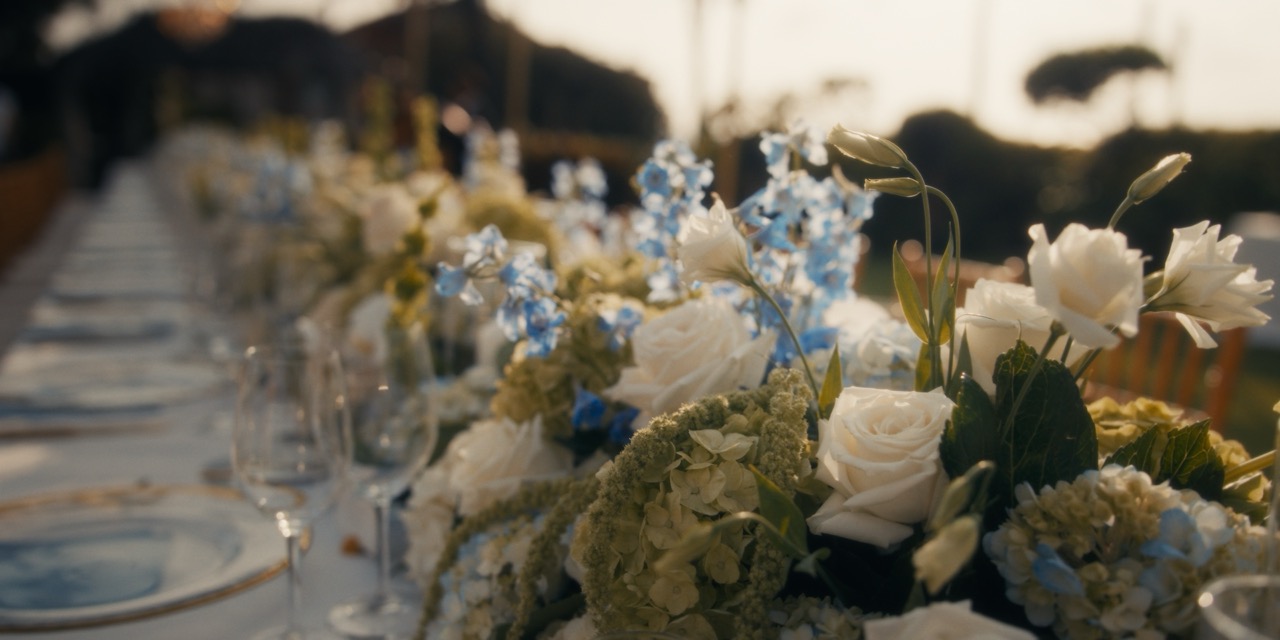
Wedding-day perspectives from Four Seasons Resort Maui at Wailea.
What Is the Best Ceremony Time for a Four Seasons Maui Wedding?
The best ceremony time protects the ceremony itself and still leaves enough room for unhurried portraits before the light disappears.
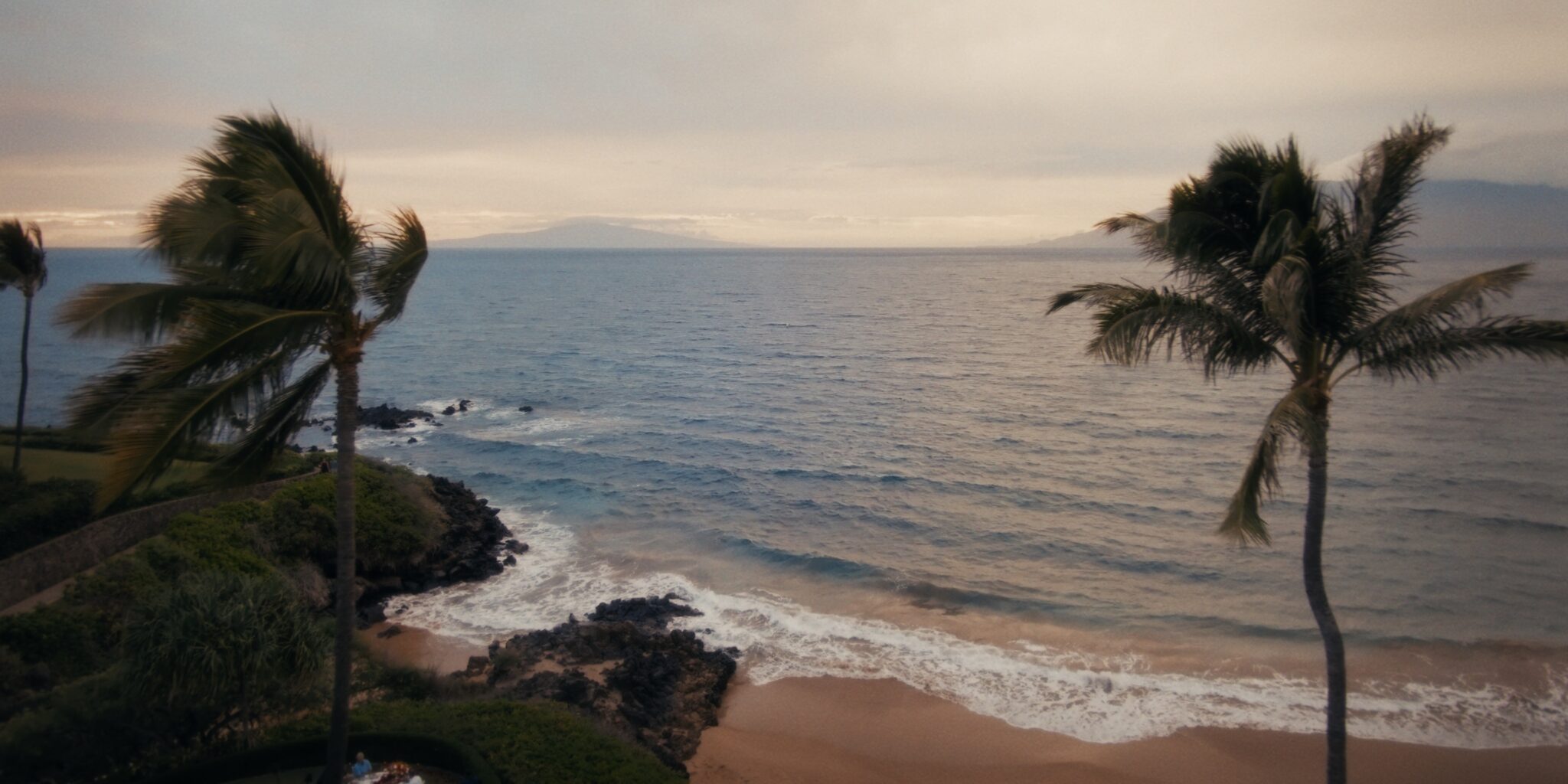
I start with the exact sunset time and work backward, protecting at least 30 minutes of golden hour for portraits. Then we work backward again to set the ceremony time around the ceremony length, family portraits, transitions, and dinner.
Your Four Seasons wedding planner knows the property and its timing inside and out. Lean on that expertise when setting the ceremony and transitions, then make sure the photography and film plans work within the timeline they build.
The light should support the story. It should not run the day.
What Makes a Four Seasons Maui Wedding Cinematic?
The venue can give the film scale, texture, and extraordinary light. It cannot manufacture meaning.
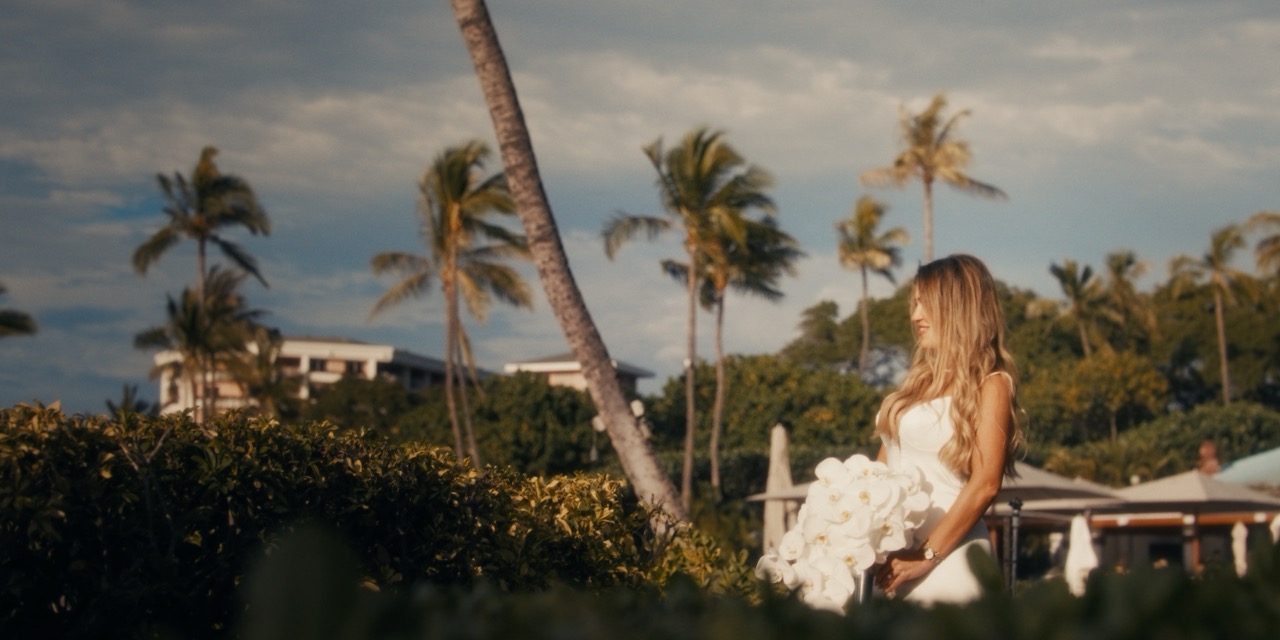
For one couple, the spine may be the vows they exchange alone before the ceremony. For another, it may be the way a parent sees them for the first time. It might be a toast that reveals the history in the room. Plumeria Point, the palms, the ocean, and the evening light become chapters around that human center.
That is the distinction I care about. I do not want to create a beautiful film in which the venue becomes the main character and the couple disappears inside it. I want the setting to hold the story—to make it feel larger, more specific, and unmistakably theirs.
You can see how that approach carries into complete celebrations in our wedding-film screening room. You can also read my practical guide to choosing a Maui wedding videographer.
Watch Three Four Seasons Maui Wedding Films
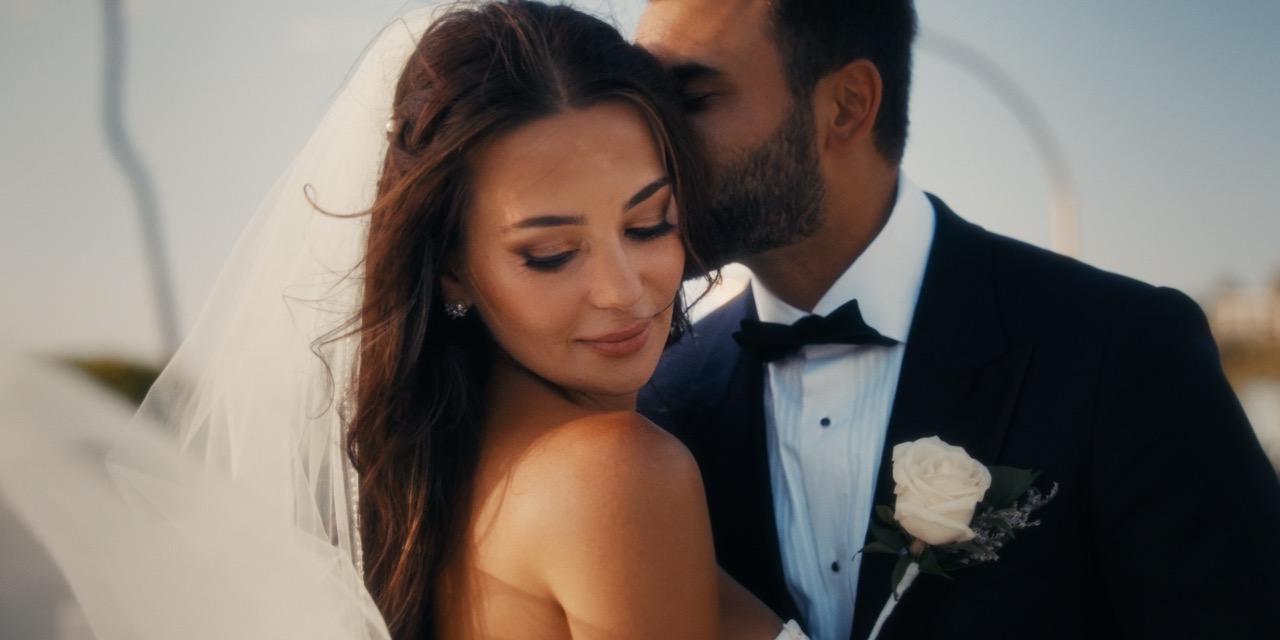
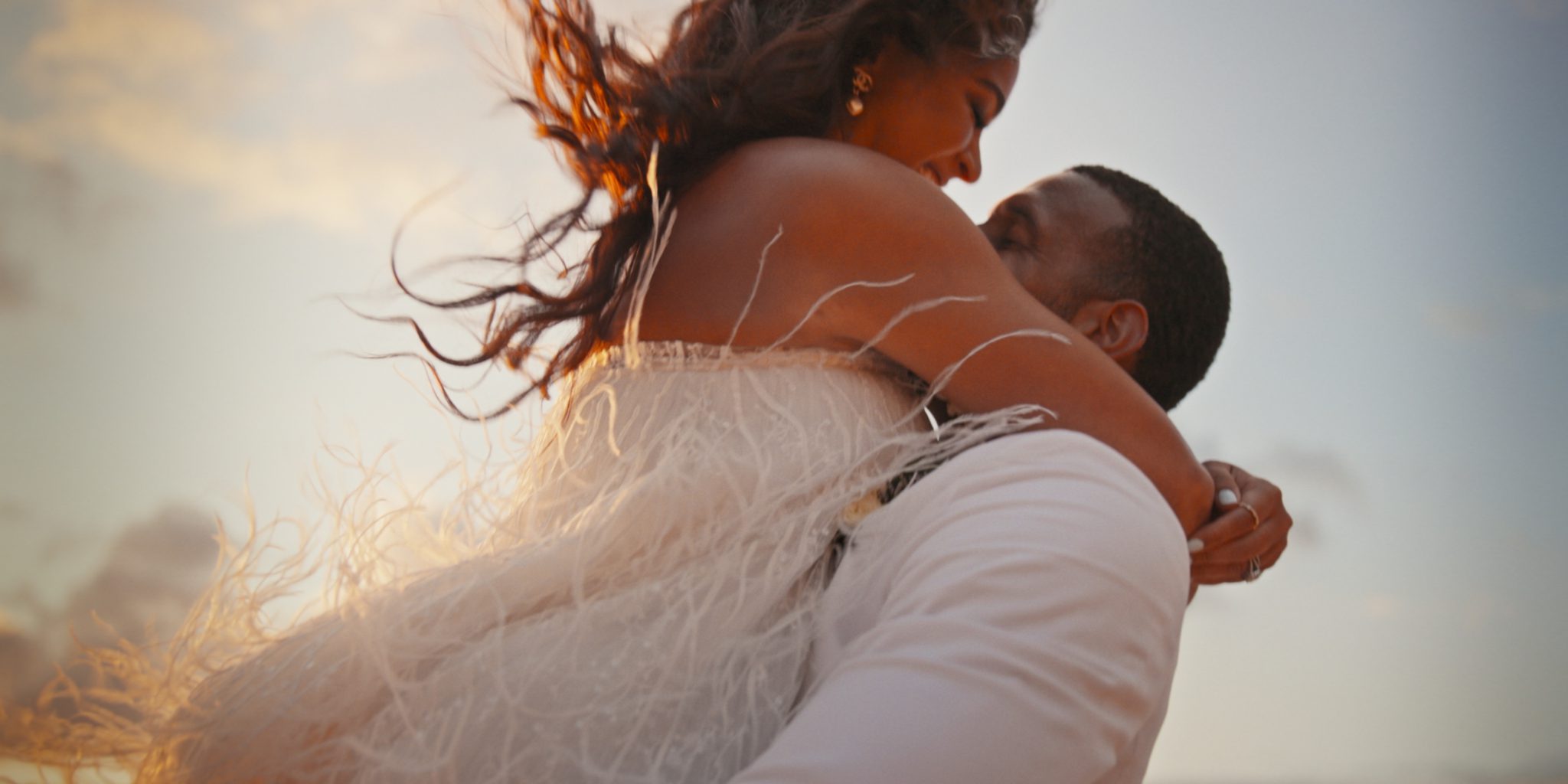
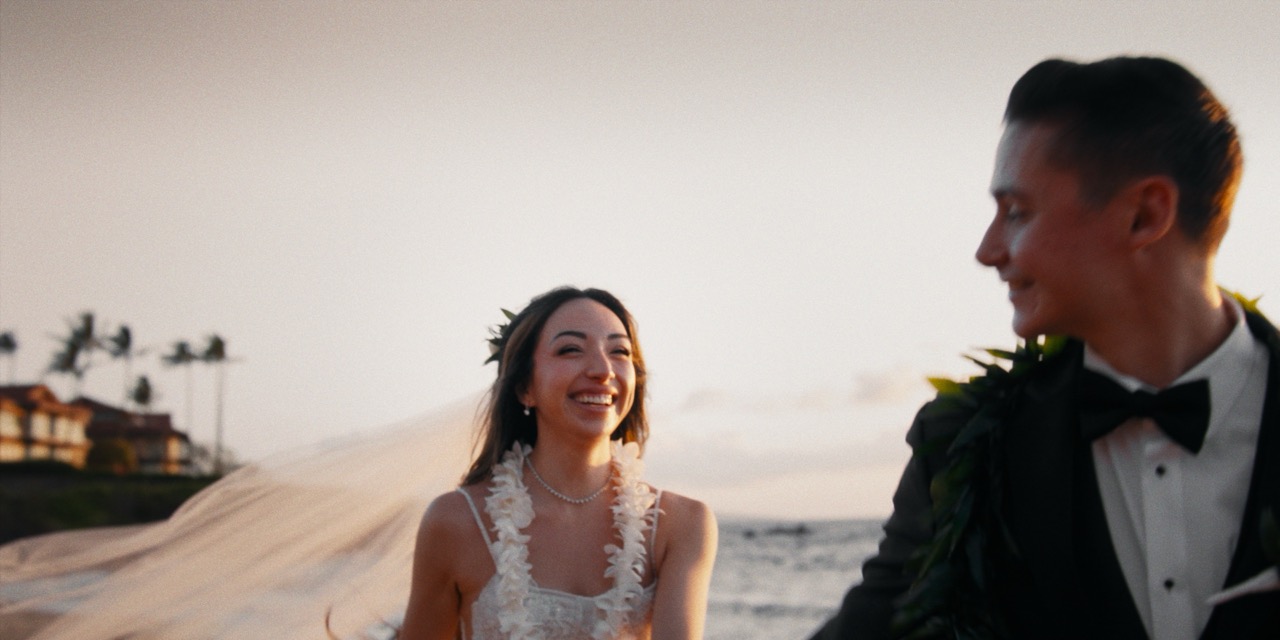
These three celebrations show how differently the same resort can hold a wedding story—from quiet oceanfront intimacy to a larger, joy-filled gathering.
Planning a Wedding at Four Seasons Resort Maui at Wailea?
If you are considering Four Seasons Maui and want a film that preserves more than the itinerary, tell me what you want to remember before you tell me how many hours you think you need.
Share your date, the spaces you are considering, the people who matter most, and the feeling you want to carry home from Maui. From there, we can decide what the film truly needs—and what it does not.