Do you actually need a wedding videographer if you already have a photographer?
No. If your budget can carry only one, hire a good photographer. Photographs are easier to display, easier to share, and usually the record families return to most often.
That does not make film unnecessary for everyone. It means the choice should begin with what you are afraid of losing.
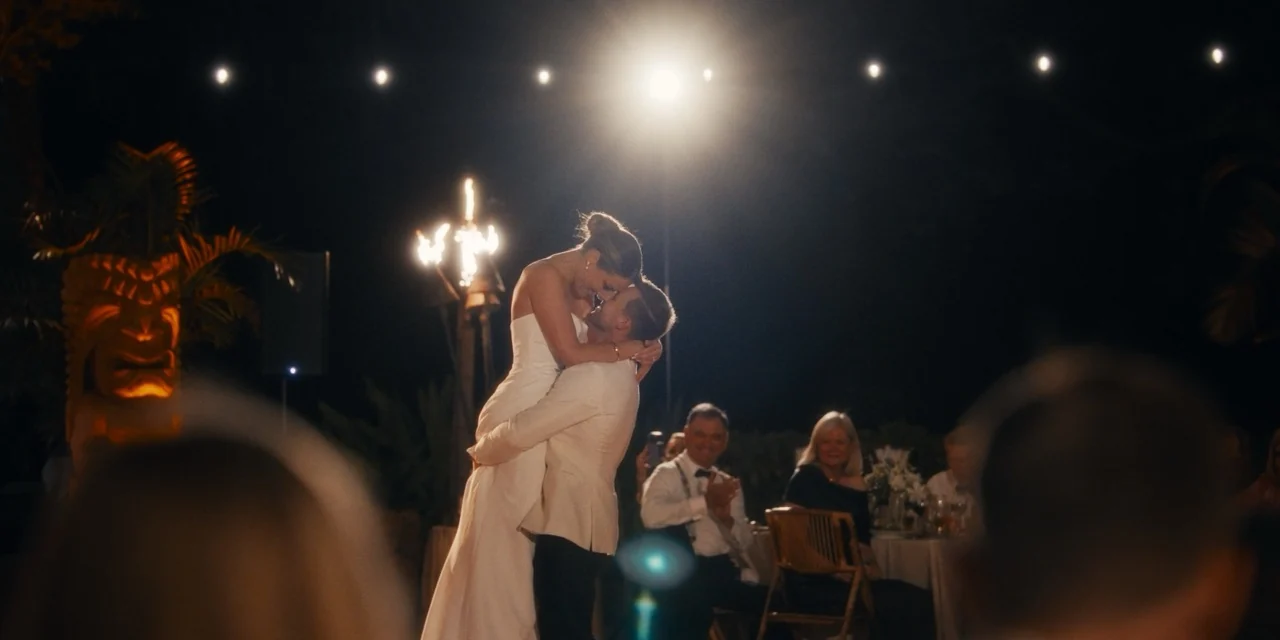
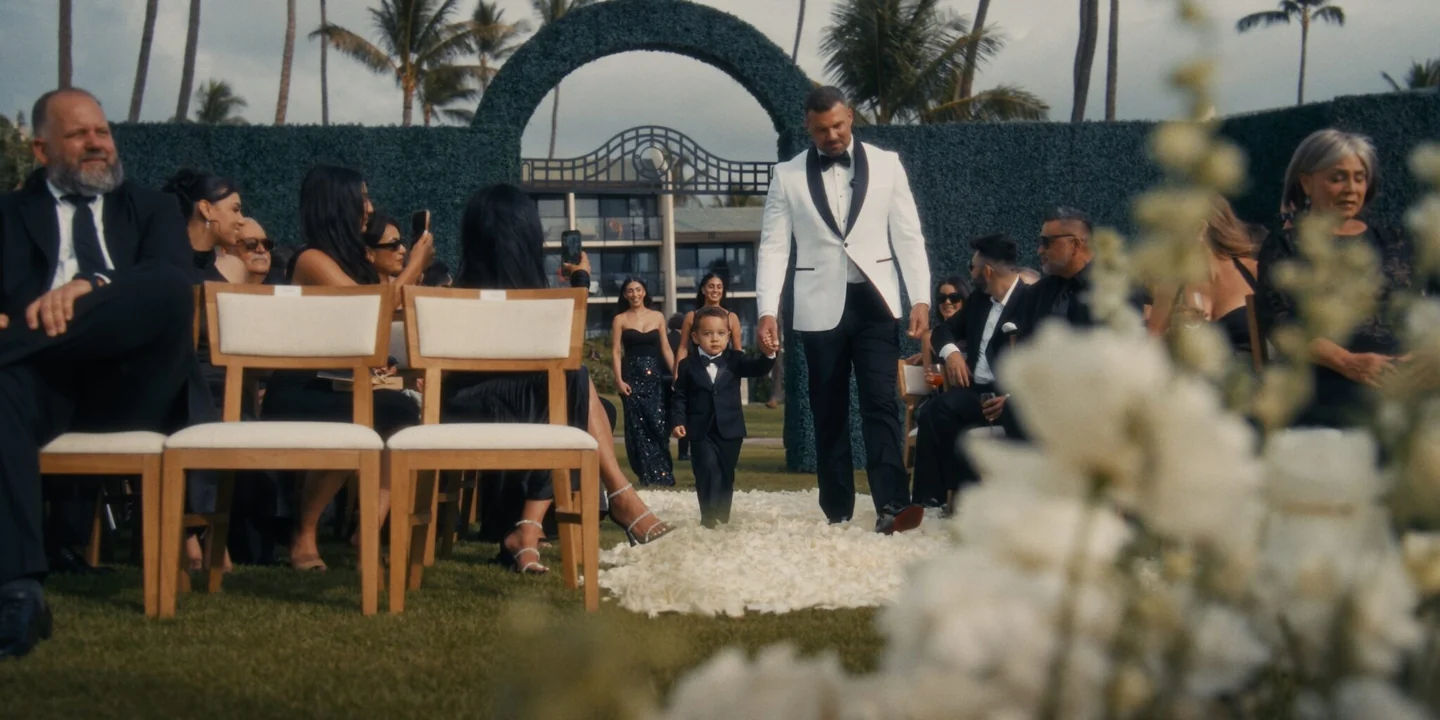
A photograph can hold your father's face when he first sees you. It cannot hold the change in his voice. It can preserve your partner halfway through a laugh, but not the timing of the joke, the room answering it, or the silence before a vow. Film keeps voices, movement, rhythm, and the way one moment became the next.
Some couples care most about portraits and a clear visual record. Photography may be enough. Others know that a grandparent's voice, a sibling's toast, or the way the ceremony felt in real time will matter more as the years pass. For them, film is doing a different job.
Neither choice needs to be defended. Decide what form of memory you expect to miss, then spend there.
What does a wedding videographer cost on Maui?
Published Maui pricing runs from about $700 to $1,200 for ceremony-only documentation or a simple short highlight to $8,000 to $10,000 for established, story-led wedding films. Complex multi-day work can reach $12,000.
The middle is broad. One Maui filmmaker says most couples invest between $3,500 and $8,000, while another local provider publishes wedding-day collections from $4,200 to $8,000. These are public reference points, not a standard rate card for the island.
The spread reflects different jobs. One camera recording a ceremony is not the same commission as a crew filming preparations, vows, speeches, and relationships, then shaping them in post-production. Price changes with crew, sound, planning, editing, licensed music, finished films, and story work.
Stephan Boeker Films sits in line with those Maui bands. The deciding factor is not whether the studio occupies a separate premium category. It is whether you need straightforward preservation, a story-led wedding-day film, or a crew built for a celebration unfolding across more than one day.
If you want help matching the scope to your day, BEGIN THE EXPERIENCE.
What is the difference between a wedding video and a wedding film?
A wedding video records what happened. A wedding film makes deliberate choices about what the day meant, then uses image, voice, sound, and timing to let another person feel it.
That difference is visible as well as structural. For generations, film stocks made by Kodak, Fujifilm, and Agfa gave cinema a designed rendering of reality. Their color response, highlight roll-off, contrast, density, and texture became part of the visual language of film.
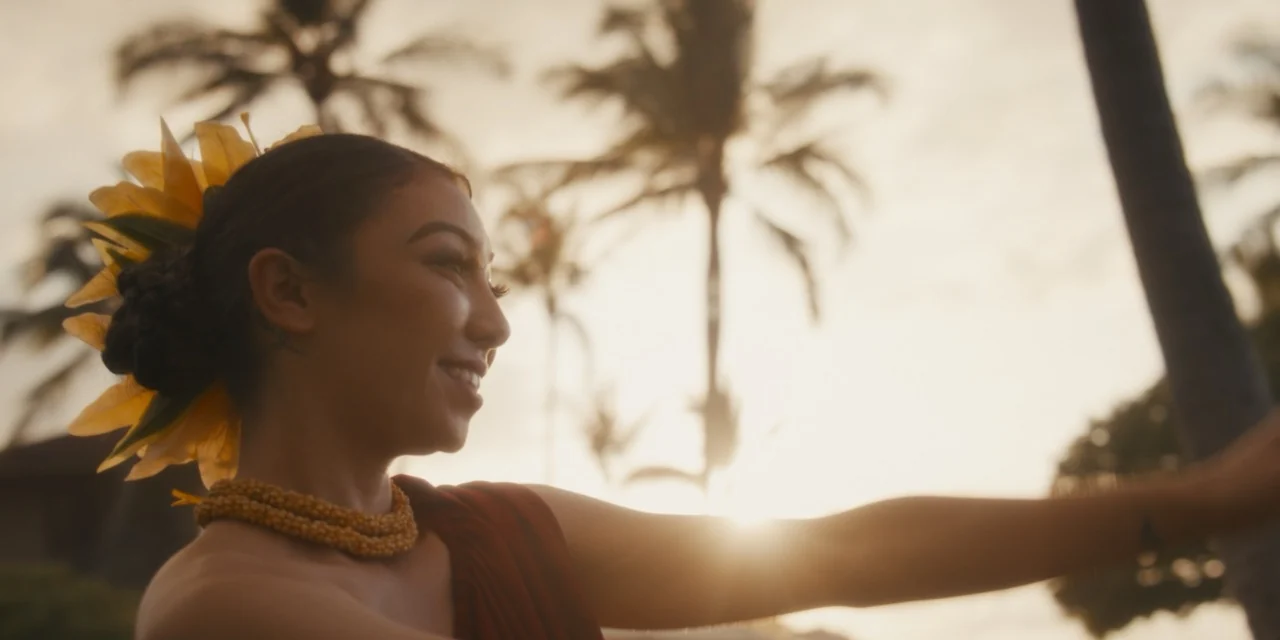
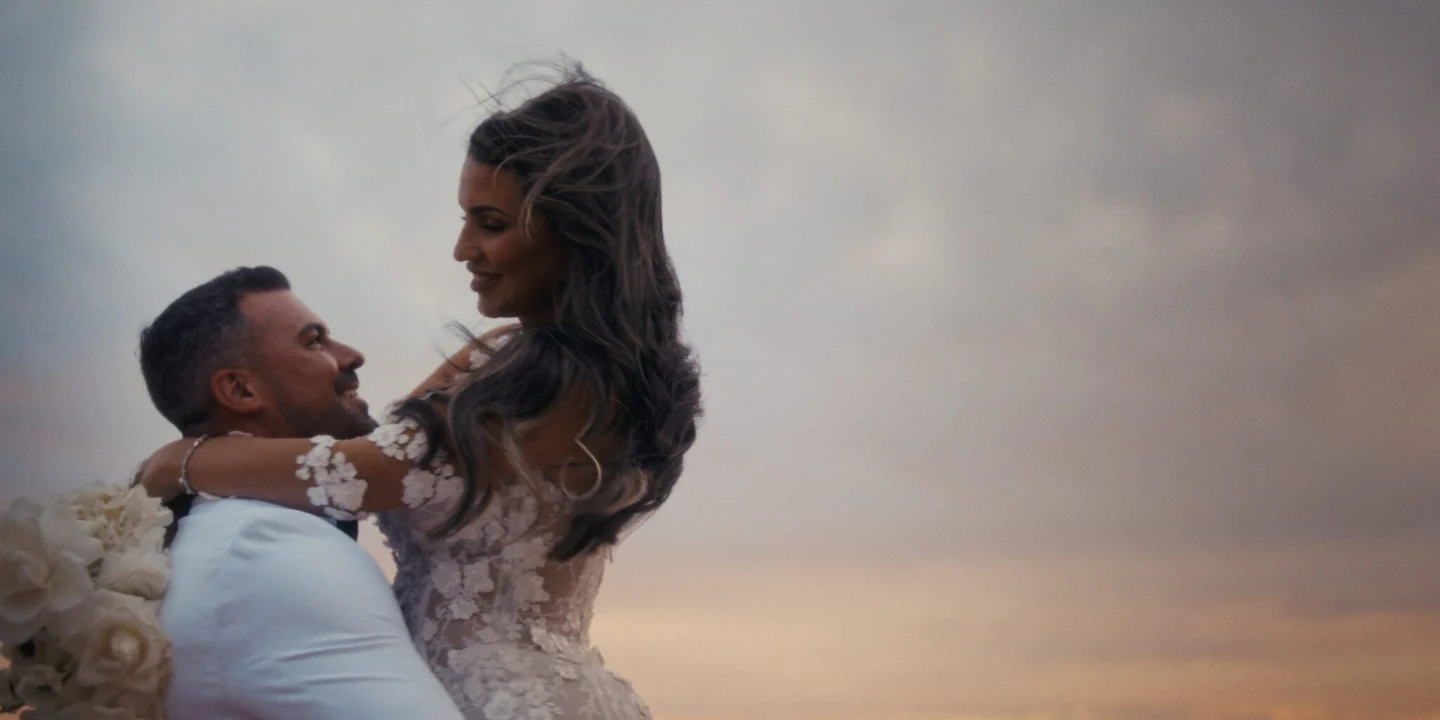
Digital cameras capture information through different color science. Left ungraded, even clean and accurate footage can still read as video. A filmic image is authored. Skin tone, highlights, separation, consistency, texture, and mood are shaped so that changing Maui light belongs to one visual world.
I spent years studying cinematic image-making with leading Hollywood cinematographers and color scientists. That education matters only if you can see it. The finished image should feel photographed rather than merely captured.
Those choices do not make a film emotional by themselves. Color works more like a soundtrack: it helps an audience enter the story, while the people, voices, pacing, and sound carry the emotion. A wedding can be carefully colored and still be emotionally missed. The Stephan Boeker Films homepage explains that creative position at greater length.